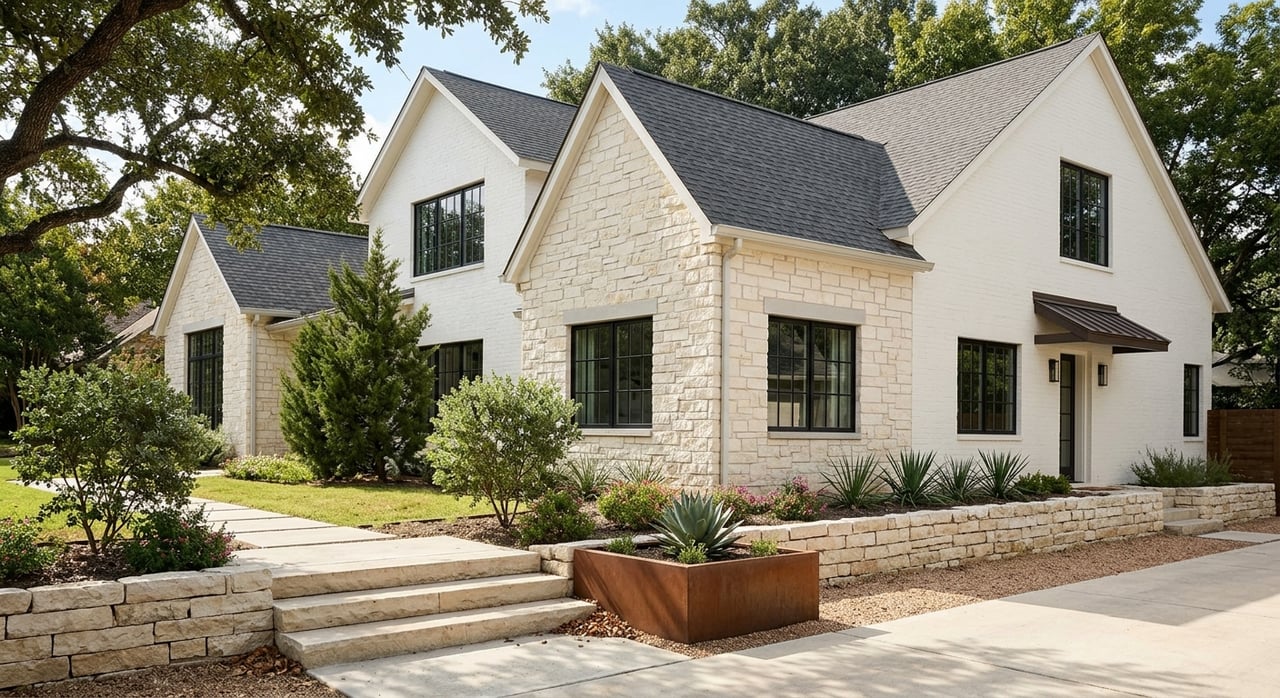
If you love the idea of Austin living but want more scenery, more breathing room, and easier access to trails, the city’s Hill Country edge may feel like the right fit. This part of Austin offers a different rhythm than the flatter, more central parts of town, but it also comes with practical trade-offs around driving, terrain, and neighborhood layout. If you are wondering what day-to-day life really looks like here, this guide will help you understand the landscape, housing patterns, mobility, and lifestyle so you can decide whether it matches your goals. Let’s dive in.
Where Austin Meets the Hill Country
Austin’s Hill Country edge begins to feel different as you move west of MoPac. According to the University of Texas Bureau of Economic Geology, the Balcones Escarpment generally parallels MoPac, with hillier terrain to the west and relatively flatter land to the east.
That change in terrain shapes how this part of the city looks and feels. West Austin is known for rugged topography, flat-topped hills, and steep canyons, and routes like Loop 360 and RR 2222 place you right in that Hill Country setting.
For you as a buyer or future seller, that means the environment often feels more landscape-driven and less grid-like than central Austin. Streets can curve more, elevation changes are more noticeable, and homesites may be shaped as much by the land as by a master plan.
Outdoor Access Is a Major Draw
One of the biggest reasons people choose Austin’s Hill Country edge is simple: the outdoor access is exceptional. This part of the city sits close to major preserves and trail systems that make nature feel like part of everyday life, not just a weekend destination.
Austin Water says the Balcones Canyonlands Preserve totals more than 32,000 acres. It protects habitat for endangered species and remains one of the region’s last fully wild places, which gives this side of Austin a strong connection to preserved open space.
Trails and Green Space Nearby
The Barton Creek Greenbelt is one of the area’s best-known outdoor assets. The city highlights more than 12 miles of trail, with access along a 7.5-mile corridor, plus hiking, biking, swimming holes, limestone cliffs, and rough terrain.
The Violet Crown Trail adds another layer of connectivity. It begins at the Barton Creek Greenbelt in Zilker Park and is planned to extend 30 miles south into Hays County, with trail connections through Circle C and west of MoPac.
Wild Basin Wilderness Preserve offers a different kind of experience. St. Edward’s describes it as a nature preserve rather than a park, with almost three miles of trails and required reservations on weekends and holidays.
For many residents, this means trail running, hiking, biking, or scenic overlooks can become part of your normal routine. If outdoor time matters to you, this side of Austin often delivers more direct access than more central areas.
Commuting Takes More Planning
The views can be great, but commuting on Austin’s Hill Country edge is not friction-free. Daily movement is shaped heavily by major road corridors, especially MoPac and Loop 360.
TxDOT identifies Loop 360 as a north-south corridor that runs roughly parallel to MoPac and has ongoing safety and mobility work aimed at congestion relief. That tells you something important right away: this is a corridor-driven part of the city, and traffic planning is part of everyday life.
Driving Is Often Central to Daily Life
In many west-edge areas, driving is still the default. Your route options may look simple on a map, but travel times can shift depending on where you are headed and when you leave.
This does not mean the area is disconnected. It means your daily routine often works best when you think ahead about traffic patterns, school drop-offs, errands, and whether your most common destinations are north, south, east, or west.
Transit Exists, but It Is Address-Specific
CapMetro’s high-frequency network includes 14 routes operating every 15 to 30 minutes from 6 a.m. to 8 p.m., seven days a week. Still, transit access on the Hill Country edge is best evaluated on a property-by-property basis.
If transit matters to you, it is smart to check how a specific address connects to CapMetro service before you buy. In some locations, it may be a useful part of your routine. In others, driving may remain your main transportation option.
Housing Feels Varied, Not One-Size-Fits-All
Housing on Austin’s Hill Country edge is not uniform. You will often find a mix of older custom homes, established enclaves, and larger master-planned communities, depending on how close in or how far out you go.
Lost Creek offers one example of a closer-in west-side setting. Its resident-run district describes it as an enclave of about 1,200 homes, a master-planned community of custom homes begun in the 1970s and set among hills and knolls.
Farther out, the pattern can shift toward larger planned communities with broader amenity packages. Stratus describes Circle C Ranch as a master-planned community begun in the 1980s with more than 3,700 homes and more than 11,000 residences, along with a 500-plus-acre park, neighborhood retail, and other community features.
Steiner Ranch adds another version of that model. HOA materials describe it as a 4,800-acre mixed-use residential and commercial master-planned community, with about 1,700 acres left as undeveloped natural areas in steeply sloping ravines.
What the Terrain Means for Homes
Compared with central Austin, this part of the metro often skews toward detached homes, larger lots, and view-oriented sites. You may also see more HOA-managed or district-managed communities, especially in larger planned developments.
The land itself can have a big effect on how a property functions. Lot shape, slope, retaining needs, and driveway grade may matter more here than in flatter parts of Austin.
That is one reason a home tour in this area should go beyond square footage and finishes. You also want to understand how the site works, how the elevation affects access, and how the setting fits your day-to-day lifestyle.
The Neighborhood Feel Is More Residential
Many buyers are drawn to the Hill Country edge because it feels more residential and less dense than central Austin. The terrain, preserved land, and neighborhood layouts all contribute to a pace that can feel quieter and more removed from the city core, while still keeping you inside the Austin metro.
That does not mean every area feels the same. Some communities are closer-in and more established, while others are larger and more planned. What they often share is a stronger connection to topography, green space, and homes that are positioned around the land.
If you are relocating, this distinction matters. A map may show west Austin as only one part of the city, but the lived experience can feel quite different from a flatter, more urban neighborhood east of MoPac.
Who the Hill Country Edge Fits Best
This part of Austin usually works best for buyers who want scenery, outdoor access, and a more residential pace without leaving the metro area. It can be especially appealing if you value detached homes, larger lots, and proximity to trails or natural areas.
It can also be a strong fit if you are relocating and want space, views, and a neighborhood-centered lifestyle. For many buyers, that trade-off is worth it, even if daily life involves more driving and more planning around traffic.
On the other hand, this may not be your best match if your top priority is the shortest possible commute, the densest entertainment options, or the most walkable urban layout. In that case, central Austin may align more closely with how you want to live.
What to Consider Before You Buy
Before you choose a home on Austin’s Hill Country edge, it helps to think beyond photos and list price. This area rewards buyers who pay attention to how the property, location, and terrain all work together.
Here are a few practical things to evaluate:
- Your most common commute routes and typical drive times
- Trail, preserve, or green space access that matters to your lifestyle
- Lot slope, driveway grade, and how easy the home is to access
- Whether the neighborhood is an established enclave or a larger master-planned community
- How much you value space and scenery compared with central-city convenience
- Whether transit access is available and useful for your specific address
If you are selling in this part of Austin, those same factors often shape buyer demand. A home’s views, lot usability, proximity to outdoor amenities, and overall presentation can play a big role in how buyers respond.
Whether you are buying your next home or preparing to sell on Austin’s west side, local guidance matters in a market where terrain, neighborhood style, and daily logistics can vary so much from one pocket to the next. If you want a clear, process-driven plan for navigating West Austin and the Hill Country edge, connect with Briana Headley.
FAQs
What is Austin’s Hill Country edge?
- Austin’s Hill Country edge generally refers to the west side of the city near and west of MoPac, where the terrain becomes hillier due to the Balcones Escarpment.
What is daily life like on Austin’s west side?
- Daily life on Austin’s west side often centers on residential neighborhoods, driving major corridors like MoPac and Loop 360, and easy access to trails, preserves, and scenic views.
What outdoor features define Austin’s Hill Country edge?
- Major outdoor features include the Balcones Canyonlands Preserve, Barton Creek Greenbelt, Violet Crown Trail connections, and Wild Basin Wilderness Preserve.
What types of homes are common on Austin’s Hill Country edge?
- Homes on Austin’s Hill Country edge often include detached houses, custom homes in established enclaves, and residences in larger master-planned communities with terrain-driven lots.
Is Austin’s Hill Country edge good for commuting?
- Commuting from Austin’s Hill Country edge can work well, but it usually requires planning because daily travel is shaped by corridor traffic on roads like MoPac and Loop 360.
Who should consider living on Austin’s Hill Country edge?
- Buyers who want scenery, outdoor access, more residential surroundings, and space within the Austin metro often find this area appealing.