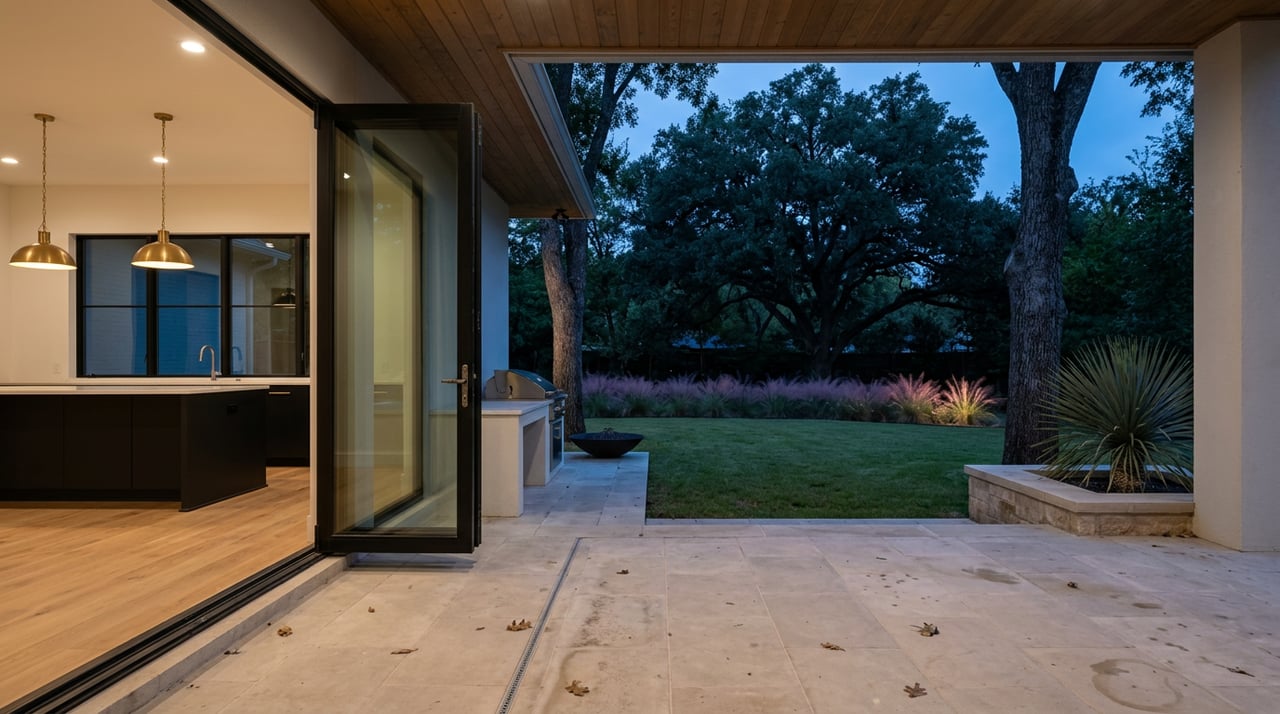
Do you picture mornings on the lake, evenings on a patio with hill‑country views, and weekends spent on trails or a boat? If so, Lakeway and West Austin may be a fit. You want more space and strong amenities, but you also need clarity on schools, commute patterns, and what daily life really looks like. This guide walks you through how living in Lakeway and West Austin compares to central Austin, plus what to know about housing, transportation, recreation, and costs so you can decide with confidence. Let’s dive in.
Lakeway and West Austin at a glance
Lakeway sits on the south shore of Lake Travis. Streets curve through quiet neighborhoods, many with hill‑country views and a suburban feel. You will see a mix of single‑family homes, golf course communities, and lakefront properties.
West Austin covers a wide area west of central Austin. It ranges from closer‑in neighborhoods like Westlake Hills and Rollingwood to suburban corridors near Bee Cave and the Lake Travis area. The vibe is more residential than urban and leans outdoor‑oriented.
Daily life here revolves around the lake, parks, and local centers for errands. In the mornings, you might drive kids to school or stop by a local coffee shop. Weekends often mean boating on Lake Travis, hiking nearby trails, or dining at lakeside spots or in Bee Cave and Westlake.
How life compares to central Austin
Lakeway and West Austin are quieter and less dense than central Austin. Nightlife is limited, but you get quick access to water, golf, and trails. If you value late‑night entertainment and walkable urban blocks, you may prefer central neighborhoods. If you want more space and an outdoor lifestyle, West Austin and Lakeway stand out.
Errands usually require a car. You will find strong local amenities, but you may drive into central Austin for major cultural events, live music, or a broader dining scene.
Neighborhoods and housing options
Homes across Lakeway and West Austin are primarily single‑family, with pockets of townhomes and condos along commercial corridors. You can choose from lakefront estates, custom hill‑country builds, gated communities, and established neighborhoods with mature trees.
Lakefront living
If everyday lake access is your priority, waterfront homes and some planned communities offer private docks or deeded access. Not all lake‑adjacent properties include a dock, and shoreline protections can limit what you can add. Lots may be sloped or rocky, and some areas use septic systems rather than city sewer. Many buyers review permits, HOA rules, and shoreline restrictions up front.
Master‑planned and gated communities
Several communities offer amenities like pools, clubhouses, trails, and golf access. HOAs often maintain common areas and set architectural guidelines. If you want a social calendar, neighborhood events and recreation centers provide easy ways to meet neighbors.
Townhomes and condos
You will find lower‑maintenance options near commercial centers, including Bee Cave and parts of Lakeway. These can be a good entry point into the area or a lock‑and‑leave choice for frequent travelers.
What to know before you buy
- HOAs and deed restrictions. Many neighborhoods have architectural controls, exterior guidelines, and dues. Review CC&Rs early.
- Property taxes and MUDs. Municipal Utility Districts are common in suburban areas and can add to the overall tax rate. Always review the property’s tax breakdown.
- Flood and shoreline risk. Waterfront and low‑lying lots may be in FEMA flood zones, and shoreline erosion can be a factor. Confirm your flood maps and insurance needs during diligence.
- Utilities and septic. Parts of the corridor use septic systems or have specific water service providers. Verify utilities before you make an offer.
Schools and family life
Lakeway is primarily served by Lake Travis ISD. Some West Austin neighborhoods closer to the city fall within Eanes ISD or other districts. Attendance zones depend on your exact address. Families often choose this area for school access, outdoor recreation, and larger homes or yards.
District reputations are strong in the region, and programs vary by campus. For the most accurate picture, confirm attendance boundaries and review official district and Texas Education Agency reports for any schools you are considering. You will also find a range of private preschools, faith‑based programs, and youth sports, including lake‑related activities like sailing and swim teams.
Commuting and getting around
Major routes
Common routes include Ranch Road 620, Highway 71, and MoPac for travel into central Austin. Depending on your exact start and end points, typical commutes to downtown or central employment hubs range from about 20 to 45 minutes or more. Peak periods can add time, so check drive times during your usual schedule.
Transit and park‑and‑ride
Public transit is more limited than in central Austin. Some residents use park‑and‑ride or employer shuttles, but most rely on personal vehicles for daily travel. Inner West Austin has better bike and trail connectivity, while Lakeway is more car‑dependent for errands.
Work‑from‑home trends
Remote and hybrid work are common in the Austin area. Many households make fewer peak‑hour trips but still rely on cars for errands and activities. If you work from home, pay attention to internet service options by address.
Recreation, dining, and shopping
On the water
Lake Travis is the local playground for boating, fishing, wake sports, and lakeside dining. Public boat ramps and parks make access possible even if you are not on the water. Waterfront communities may offer private slips or marinas.
Parks and trails
You are a short drive from Hill Country trails, scenic overlooks, and regional parks. Local city parks also offer trails, picnic areas, tennis courts, and community pools. Families often organize weekends around youth sports and outdoor programs.
Golf and clubs
Multiple public and private courses operate in and around Lakeway, supporting a country‑club lifestyle if you want it. Tee times can be popular on weekends during high season.
Dining and nightlife
You will find casual lakeside restaurants, independent cafes, and family‑friendly chains. Bee Cave’s Hill Country Galleria and nearby centers provide more variety. For live music and late‑night options, many residents head into central Austin.
Shopping and services
Grocery stores, pharmacies, and everyday retail are close by. For larger shopping trips or specialty retail, you might drive into central Austin or to major hubs like the Hill Country Galleria.
Costs, taxes, and insurance basics
Texas has no state income tax. Property taxes, HOA dues, and utility costs make up a larger share of many household budgets here. Housing is typically the biggest line item, and lakefront or hill‑country homes can command premium prices across West Austin and Lakeway.
Property taxes and MUDs
Multiple taxing entities may apply, including county, city, school district, and possibly a Municipal Utility District. MUD taxes can be a meaningful part of your bill. Review past tax statements and the full rate breakdown for any property you are evaluating.
HOAs and maintenance
Expect HOAs in many subdivisions. Dues go toward amenities and common‑area maintenance, and rules will shape exterior updates and landscaping. If you plan to renovate, confirm guidelines and approvals before you start.
Insurance and flood risk
Waterfront and older homes can have higher premiums, and flood insurance may be required in certain zones. Elevation, foundation, and the presence of septic systems affect both insurance and lending. Always check FEMA flood maps and consult local professionals when you are under contract.
Is Lakeway or West Austin right for you?
Choose Lakeway and West Austin if you want more space, a quieter pace, and quick access to the lake and Hill Country. You will trade a bit of urban convenience for the outdoors and neighborhood amenities. If you value a walkable nightlife scene or a very short commute most days, consider central Austin or closer‑in West Austin neighborhoods.
A quick self‑check can help you decide:
- You want lake access, trails, golf, and scenic drives to be part of your weekly routine.
- You are comfortable driving for most errands and planning around peak traffic.
- You plan to verify school boundaries and programs by address.
- You are ready to review HOAs, MUDs, flood maps, and utility details during diligence.
If that sounds like you, this area can deliver a strong blend of lifestyle and long‑term appeal.
Ready to compare specific neighborhoods, evaluate commute options, and set up showings? Work with a local advisor who can coordinate vendors, confirm school and utility details, and guide you through inspections, permits, and HOA rules. Connect with Briana Headley for a process‑driven search or sale, including Compass Concierge for turnkey listing prep.
FAQs
What is daily life like in Lakeway versus central Austin?
- Expect a quieter, suburban pace with easy access to Lake Travis, golf, and trails, and fewer late‑night options than central Austin.
How long is the commute from Lakeway to downtown Austin?
- Typical drives range from about 20 to 45 minutes or more, depending on your exact start and end points and peak‑hour traffic.
Which school districts serve Lakeway and West Austin, and how do I confirm?
- Lakeway is primarily Lake Travis ISD, while closer‑in West Austin often falls in Eanes ISD; always verify boundaries with the districts before you buy.
Are there true waterfront homes with private docks on Lake Travis?
- Yes in many areas, but not every lake‑adjacent property has a dock; review shoreline rules, permits, and deeded access before you write an offer.
What should I know about property taxes and MUDs in this area?
- Many properties include multiple taxing entities, and some are in MUDs; request the full tax rate breakdown and past bills for any home you are evaluating.
Is public transit a realistic option in the Lake Travis corridor?
- Options exist but are limited compared to central Austin; most residents rely on personal vehicles, with some using park‑and‑ride or employer shuttles.