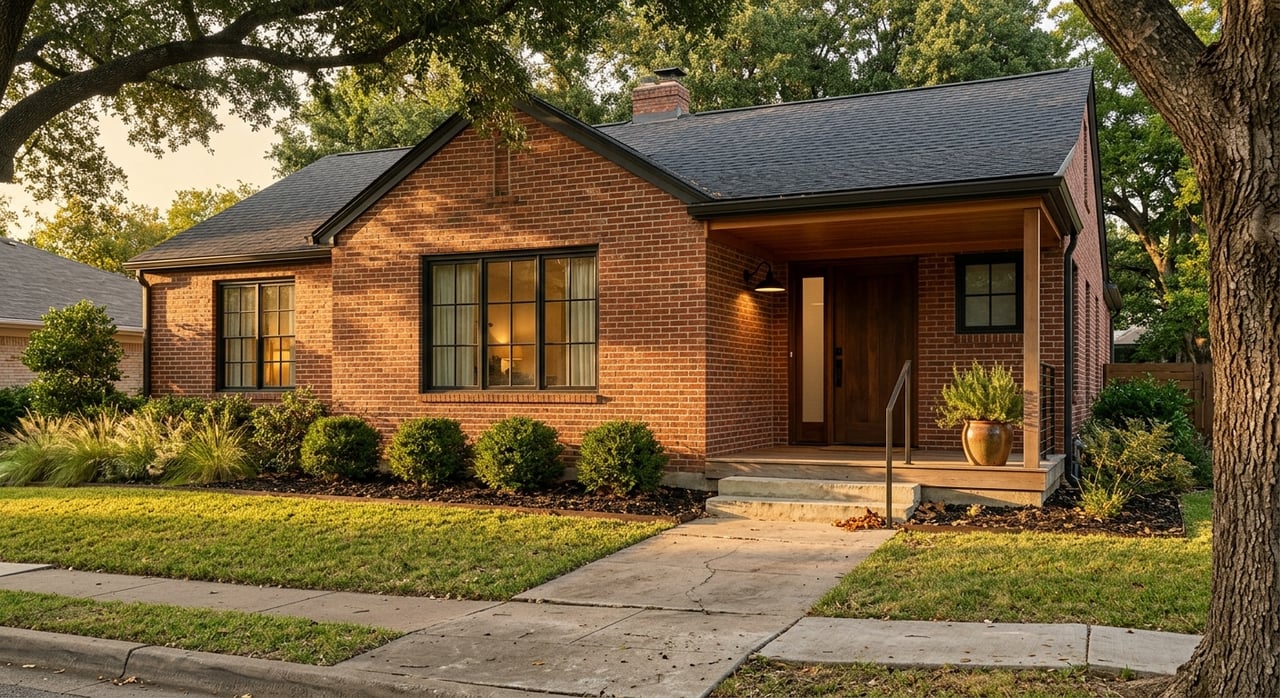
If you want a home base that feels more connected than a typical suburban corridor, living near Downtown Round Rock may be worth a closer look. You get a historic city center, a growing mix of dining and public spaces, and quick access to major roads, employers, and everyday errands. For buyers weighing lifestyle as much as square footage, this area offers a blend of character and convenience that can be hard to find. Let’s dive in.
Why Downtown Round Rock Stands Out
Downtown Round Rock is the city’s historic core, and that identity still shapes the area today. The Commercial Historic District was added to the National Register of Historic Places in 1983, and many of the buildings along Main Street date back to the late 1800s.
At the same time, downtown is not stuck in the past. City planning materials describe it as a walkable mixed-use town center with residential, retail, dining, entertainment, and public space uses, and the city updated downtown mixed-use zoning in 2025 to keep moving in that direction.
That matters if you are looking for more than just a house. It suggests a neighborhood environment that is being actively shaped for day-to-day living, not only occasional visits.
Location And Access Benefits
One of downtown’s biggest advantages is where it sits within the larger Austin-area map. Round Rock is about 15 miles north of Austin, and downtown is less than half a mile from I-35.
That location helps downtown function as its own local hub while staying closely tied to the broader metro. If you commute, meet clients, or need easy regional access, that kind of connectivity can make daily routines feel simpler.
For many buyers, this creates a useful middle ground. You can enjoy a more distinct town-center setting without feeling cut off from major job centers and services.
Everyday Convenience Near Main Street
Downtown Round Rock is designed around convenience in a way many suburban areas are not. City branding highlights dining, shopping, and nightlife, with activity centered around Main Street and nearby public spaces.
In practical terms, that can mean shorter trips for coffee, lunch, dinner, or casual meetups. Instead of hopping between spread-out retail centers, you have a more compact environment where everyday stops feel easier to combine.
That kind of setup appeals to buyers who want less driving for small errands. It can also be a strong fit if you enjoy being able to step into an active area without planning your whole day around it.
Free Parking Makes A Difference
Parking may not sound exciting, but it plays a big role in how livable an area feels. Downtown Round Rock offers free parking throughout the district, including the City Hall Parking Garage, the Round Rock Public Library Garage, and street parking on Main Street and side streets.
That is a real quality-of-life perk. Whether you are meeting friends for dinner, attending an event, or making a quick stop, easier parking reduces the friction that often comes with downtown districts.
For buyers comparing lifestyle options, this can be one of the small details that adds up over time. Convenience is not just about what is nearby. It is also about how easy it is to use.
Transit Options In Round Rock
Many suburban buyers assume transit is limited, but Downtown Round Rock has more options than you might expect. According to the city, Route 50 serves downtown and connects with places including the outlet mall, H-E-B Plus University, the Sunrise corridor, and the Round Rock Transit Center.
The city also notes that Route 980 runs from the transit center toward Downtown Austin, while Route 152 connects Tech Ridge Park & Ride with the Lois Henna area. Round Rock Rides adds an on-demand shared ride option within city limits.
If you want flexibility in how you get around, that matters. Even if you still drive most days, having backup transportation options can add convenience and support a more connected lifestyle.
Parks, Plazas, And Outdoor Space
A big part of downtown’s appeal is that it is not only about shops and restaurants. The area also has civic gathering spaces that bring some breathing room into the center of town.
Prete Main Street Plaza at 221 E. Main Street includes a stage, interactive water feature, seating, lighting, and shade in a 14,000-square-foot space. Centennial Plaza on West Bagdad adds performance space, lawn seating, public art, a water feature, and an amphitheater-style setting.
These public spaces can shape your daily experience in subtle ways. They create places to sit, meet, attend events, or simply enjoy a more walkable setting close to home.
A More Active Lifestyle Beyond Downtown
Living near downtown does not mean giving up access to larger outdoor amenities. Round Rock reports more than 30 developed parks, over 2,270 acres of parkland and trail corridors, and more than 20 miles of built hike-and-bike trails.
For you as a buyer, that expands the lifestyle picture. You may be choosing a more central location, but you are still in a city with strong access to parks and recreation.
That balance can be especially appealing if you want a home near activity while still having easy options for walks, trail time, and outdoor routines.
Community Events Shape The Vibe
The feel of downtown is shaped as much by programming as by buildings. Recurring city offerings include Music on Main, Hometown Parklet Shows, and Mainly Art, which uses Main Street and the downtown Paseo for an outdoor art market.
This kind of programming helps downtown function as a gathering place rather than just a business district. If you value a neighborhood that feels active and social, these recurring events add to the appeal.
City feedback also offers useful context. In the 2024 community survey, about 92% of respondents said they felt safe in Downtown Round Rock, while traffic remained the top citywide concern.
What Buyers Should Keep In Mind
No area is perfect for every lifestyle, and Downtown Round Rock is no exception. Open-ended downtown feedback from the city’s survey included requests for more restaurants, family areas, residential over retail, wider sidewalks, bike lanes, parking, lighting, and accessibility.
That tells you two things. First, people are actively using and thinking about downtown as a place to spend time. Second, the area is still evolving.
If you prefer a very quiet setting or a large-lot suburban feel, living near downtown may not be the most natural match. Based on the city’s mixed-use planning, event programming, transit options, and activity patterns, this area seems better suited to buyers who want some energy and convenience built into everyday life.
Who Living Near Downtown Fits Best
Downtown Round Rock can make a lot of sense if you want quick access to errands, local dining, public spaces, and regional commuting routes. It may also appeal if you want a home near a broader employment base without needing to live in central Austin.
Round Rock’s major employers include Dell, Round Rock Premium Outlets, Kalahari Resorts and Conventions, Ascension Seton Williamson, Baylor Scott & White Healthcare, St. David’s Round Rock Medical Center, Emerson, Amazon, and UPS. That gives the city a wide employment footprint across tech, healthcare, retail, logistics, and hospitality.
The area also appears to be gaining more residential depth. The city reported new downtown townhome projects in 2025, which aligns with its broader push toward a more walkable mixed-use core.
Why This Area Deserves A Closer Look
If your goal is to find a Round Rock location that offers character, convenience, and access, living near downtown deserves a serious look. You get a historic setting, an active public realm, practical parking, transit options, and proximity to major employers and I-35.
For some buyers, that combination can support a lower-fuss lifestyle with more built-in flexibility. It is especially compelling if you want a home that keeps you close to the action without giving up the broader benefits of living in Round Rock.
If you are comparing neighborhoods in Round Rock and want a clear, practical view of which areas best fit your routine, goals, and timeline, Briana Headley can help you evaluate your options with local insight and a smooth, process-driven approach.
FAQs
What is Downtown Round Rock like for everyday living?
- Downtown Round Rock offers a more compact, walkable setting with dining, shopping, public gathering spaces, and free parking, which can make daily errands and outings feel easier than in a more spread-out suburban area.
How close is Downtown Round Rock to Austin?
- Round Rock is about 15 miles north of Austin, and downtown is less than half a mile from I-35, which helps with regional access and commuting.
Does Downtown Round Rock have public transit options?
- Yes. The city says Route 50 serves downtown, Route 980 connects from the transit center toward Downtown Austin, Route 152 serves the Lois Henna area connection, and Round Rock Rides provides on-demand shared rides within city limits.
Are there parks and outdoor spaces near Downtown Round Rock?
- Yes. Downtown includes Prete Main Street Plaza and Centennial Plaza, and the city reports more than 30 developed parks, over 2,270 acres of parkland and trail corridors, and more than 20 miles of built hike-and-bike trails.
Is living near Downtown Round Rock a good fit for every buyer?
- Not necessarily. It can be a strong fit if you want convenience, activity, and a town-center feel, but it may be less ideal if you are looking for a very quiet setting or a large-lot suburban environment.